BSc (Hons) Computing Level 6
FIND OUT MORE
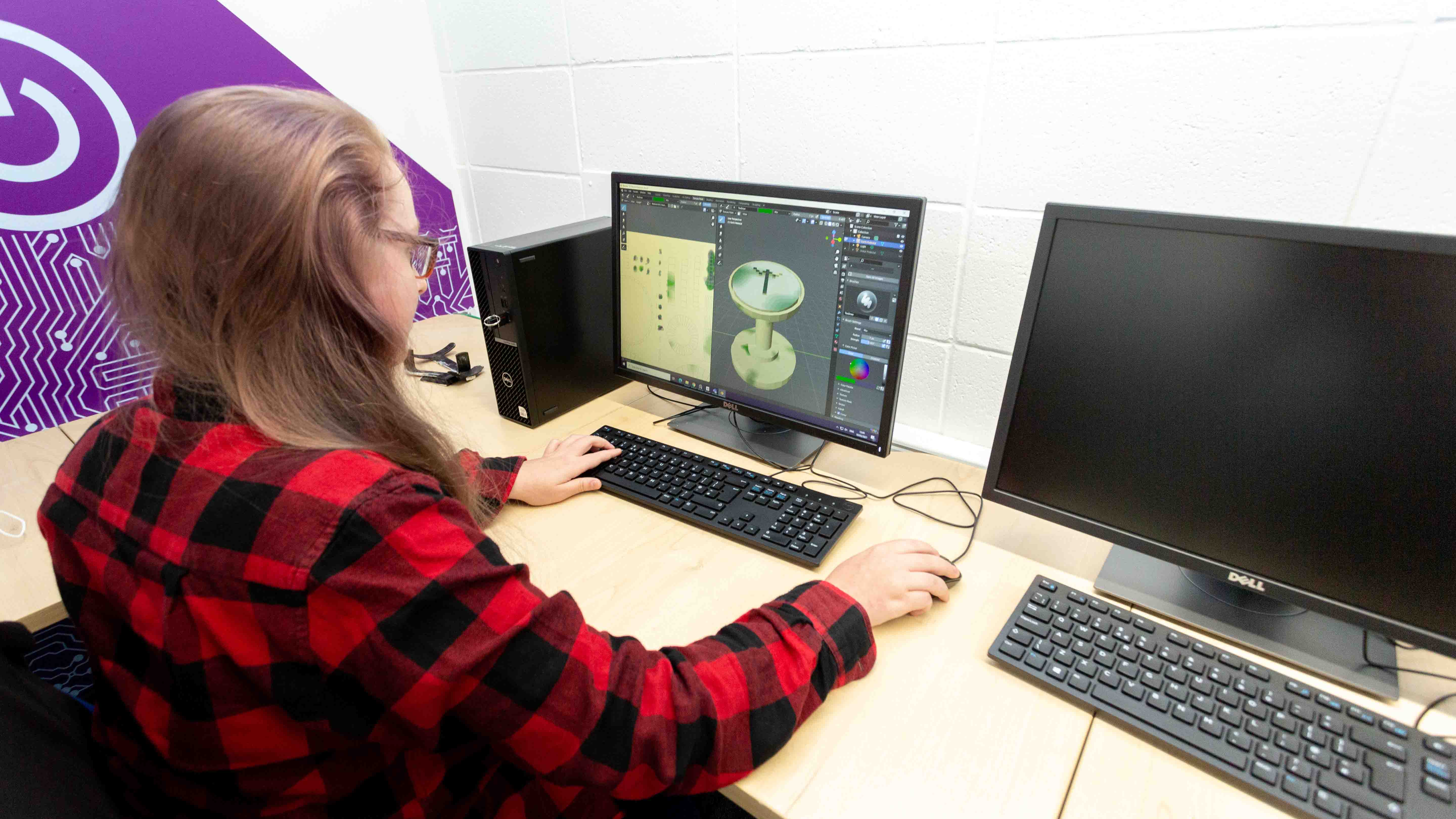
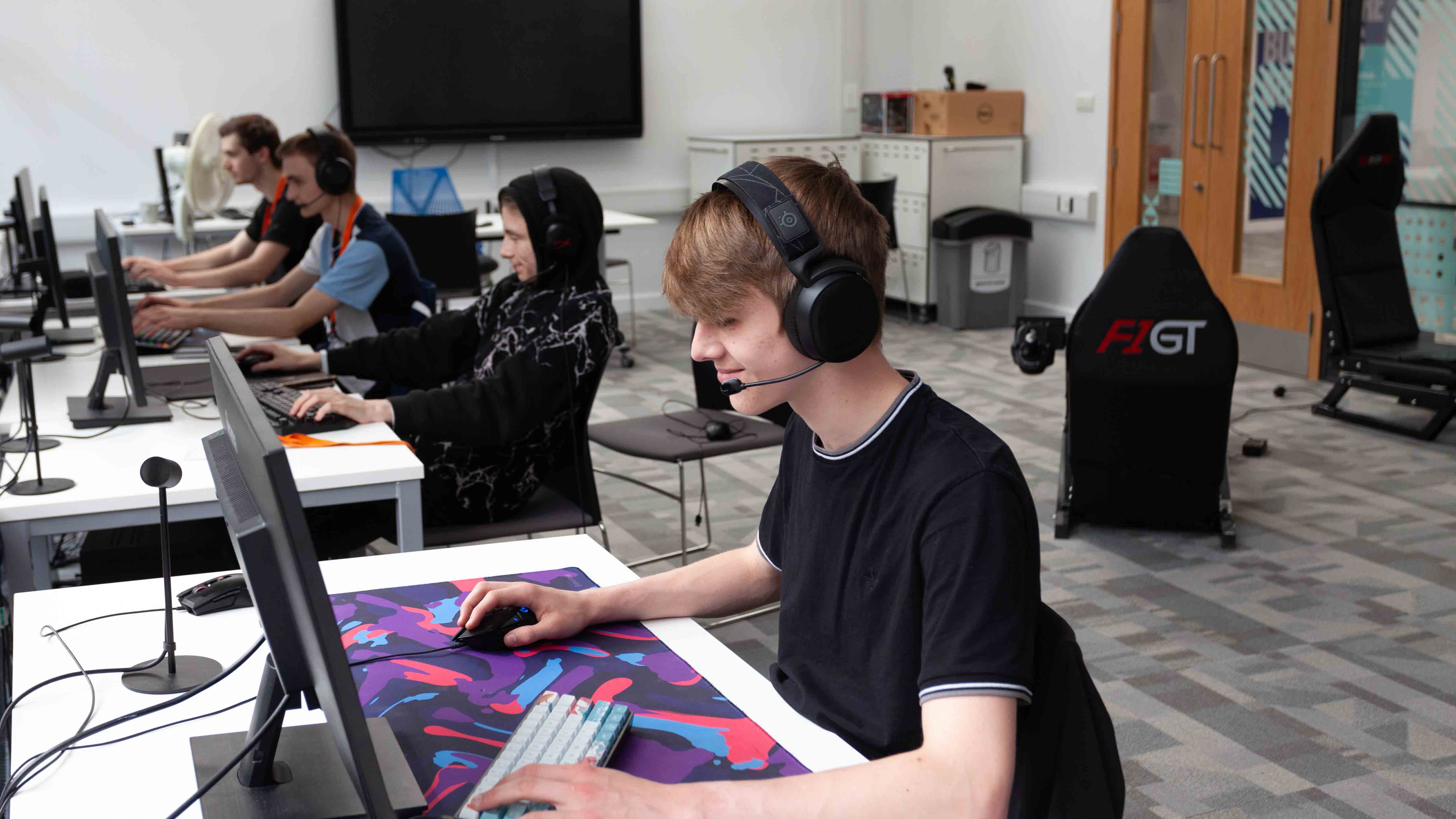

Experience the fusion of creativity and technology with a degree that immerses you in the dynamic world of game design and development, equipping you with the skills and insight to thrive in one of the fastest-growing creative industries.
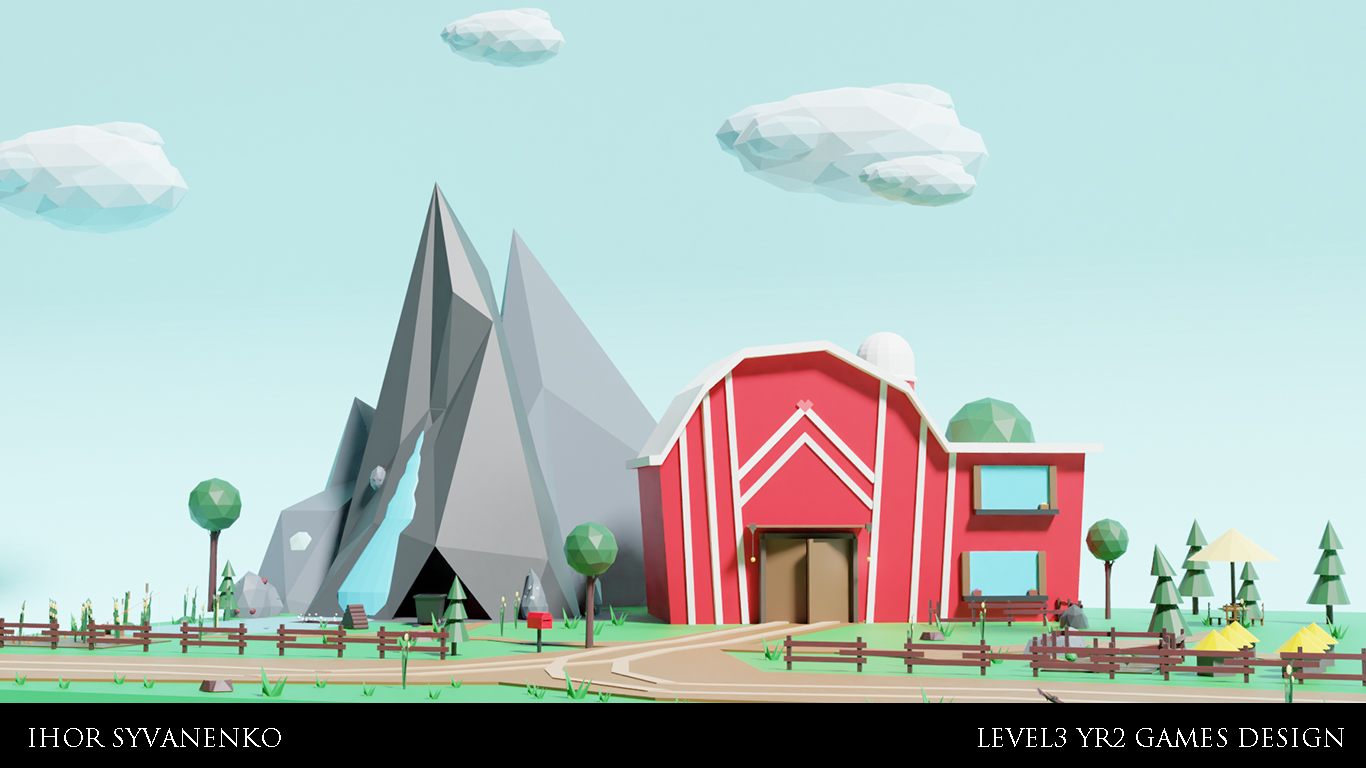
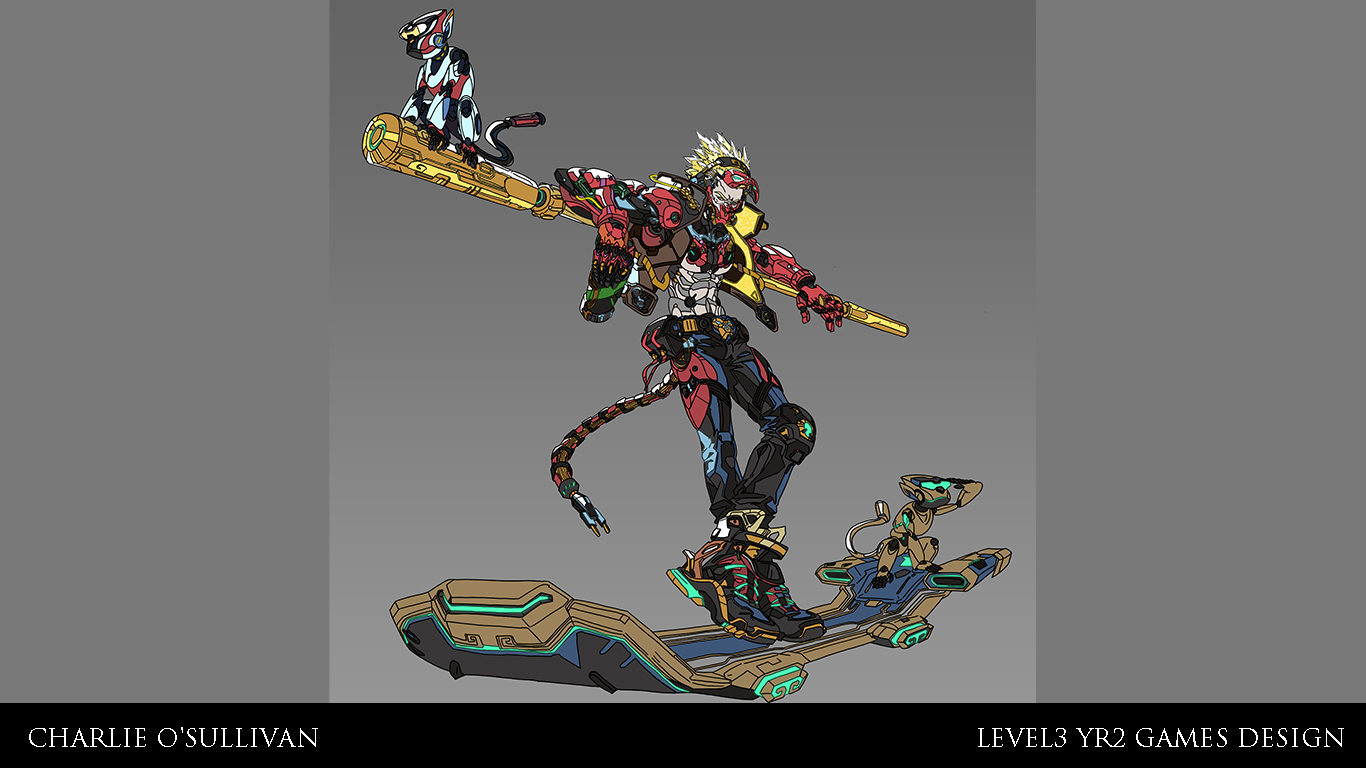
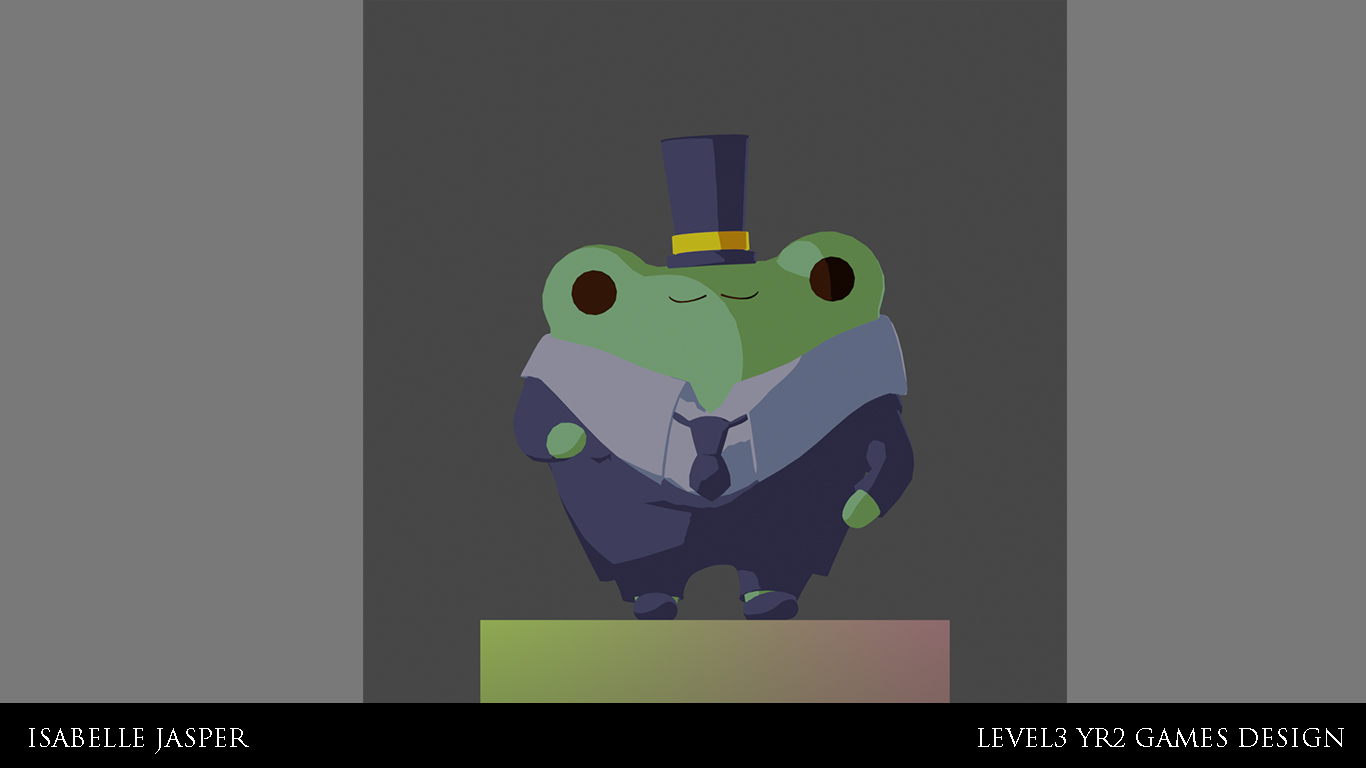
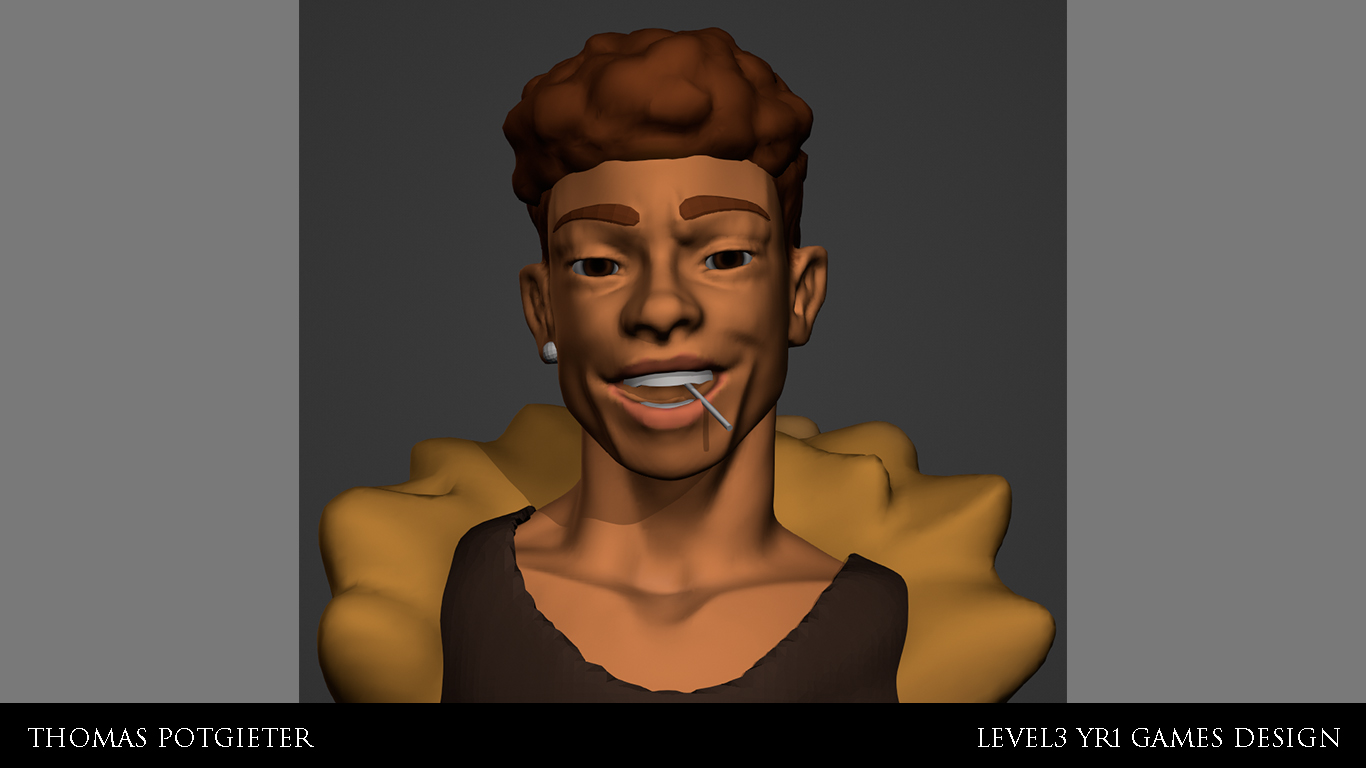
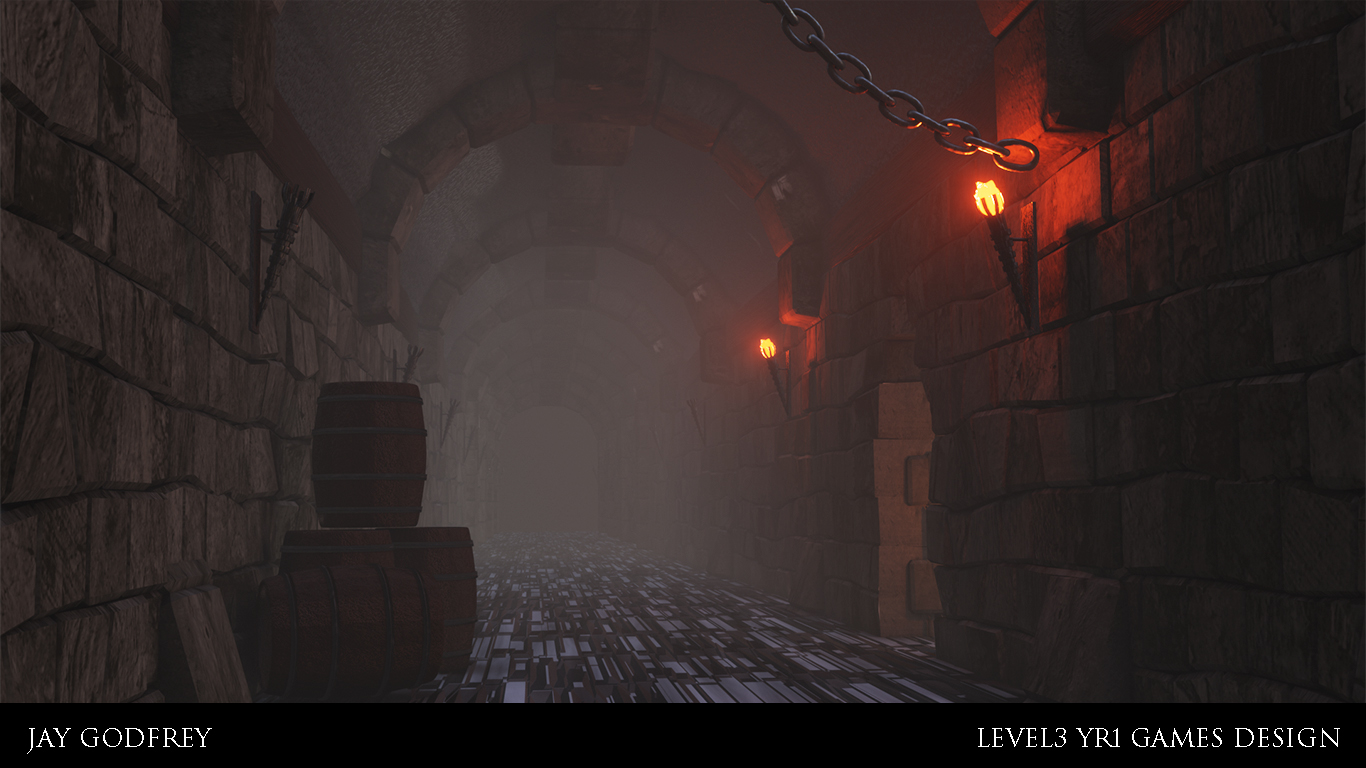
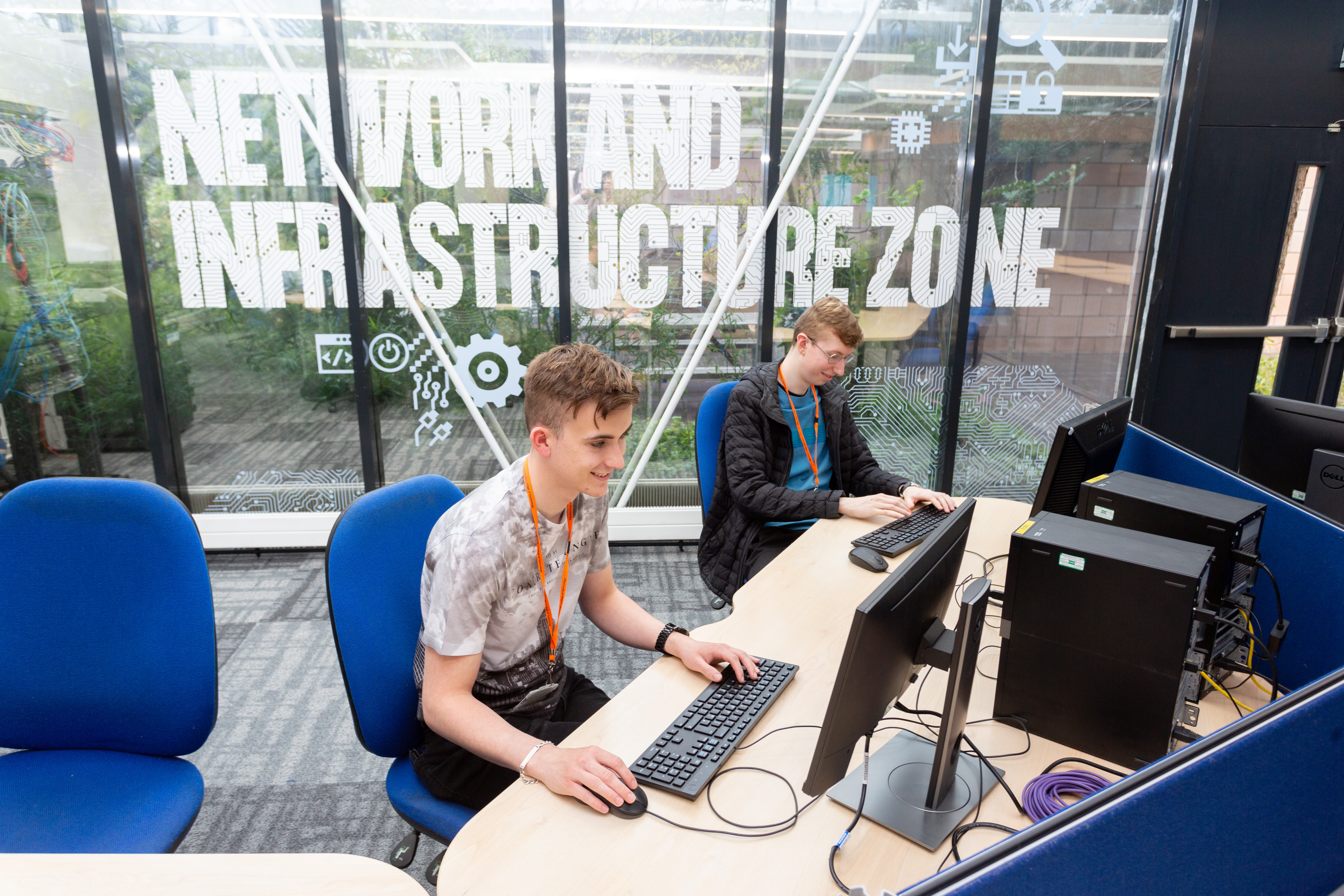
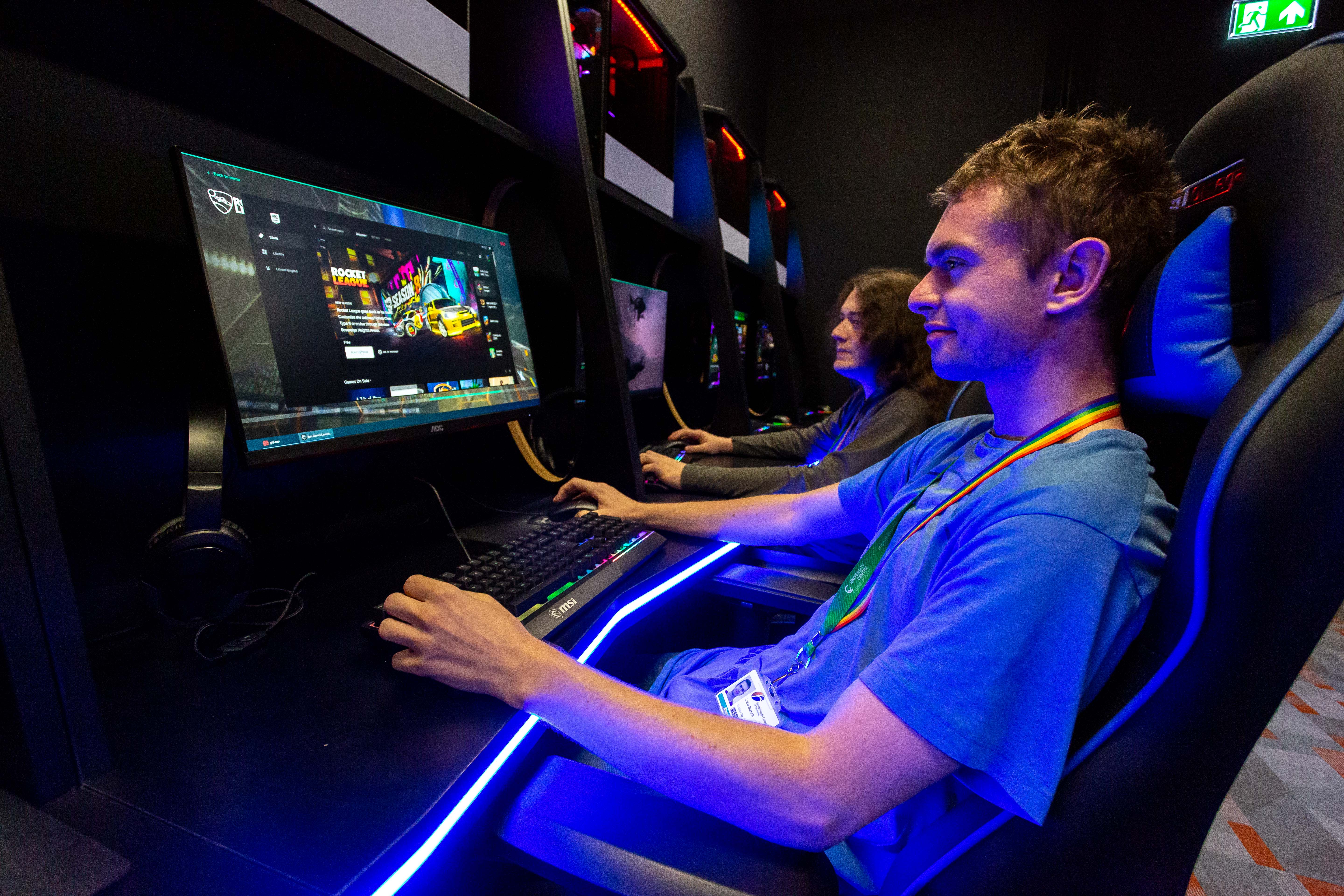
The Game Design and Development BA (Hons) Degree is a two-year accelerated programme that introduces you to the expanding gaming industry from both creative and technical perspectives. You will benefit from learning in dedicated IT suites, using modern software and equipment such as Meta Quest 3 headsets and virtual reality goggles. The curriculum covers the entire process of game creation, from initial concept to final product, exploring design principles, player psychology, storytelling, 3D modelling, and high-quality software coding.
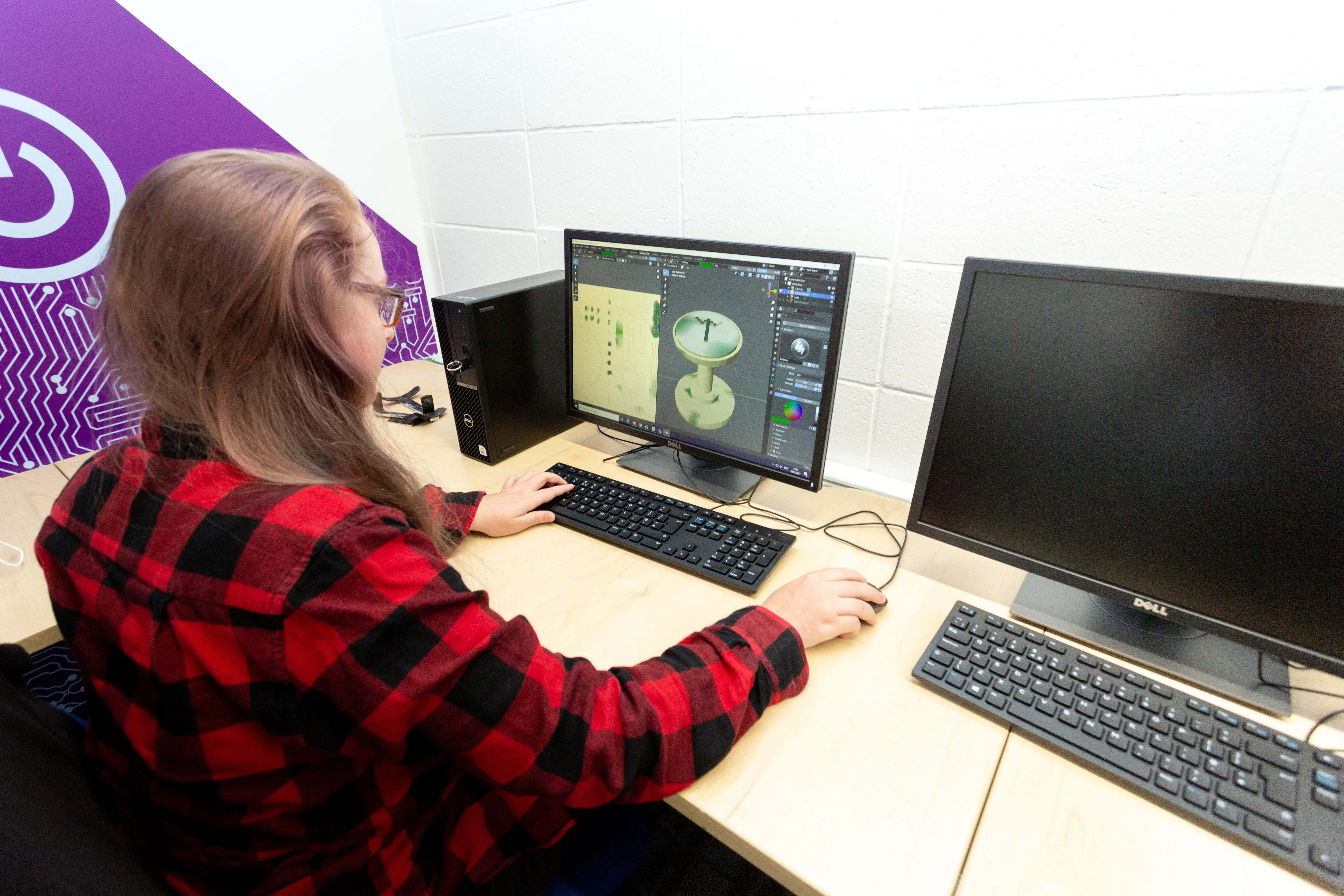
Key features include hands-on experience with contemporary software engines like Unity, and the opportunity to develop games using a range of programming languages, including C#. You will learn about visual, sound, and script design, as well as the importance of collaboration between developers, designers, and artists. Modules span 3D and 2D games art, narrative design, advanced programming, sound design, and emergent technologies, ensuring a comprehensive and industry-relevant education.
Studying with us means joining a supportive academic community dedicated to your growth as a creative and technical professional. Graduates are well prepared for careers in game design, development, and software engineering, making this degree an outstanding choice for those passionate about shaping the future of interactive entertainment.
This degree is suitable for those with a creative and technical mindset, who are passionate about working within the gaming industry. You might currently be studying a Level 3, A Level, or Access to Higher Education course, be returning to education after a break, or wish to transfer from another higher education institution.
You will gain experience creating games using contemporary software engines, such as Unity. You will learn about the range of processes involved, including visual, sound and script design, and relevant programming languages such as C#. Through this you will also discover how to produce innovative and creative experiences, as well as the importance of working closely with developers, designers and artists to create a quality product to schedule.
The structure of our programmes follows clear educational aims that are tailored to each programme. These are all outlined in the programme specifications which include further details such as the learning outcomes:
Programme Specification for Game Design and Development BA (Hons) Degree
| FEE | COST |
|---|---|
| Fee Per Year | £9000 |
There are no up-front tuition fees for this course when taking out a student loan. Read more and find out if you are eligible.
Please note that while we make reasonable adjustments to remove any barriers to education, additional fees may be payable where this is not possible. For example, to provide additional support due to a disability. Please contact us if you believe you have any additional needs so that we can discuss your options before enrolling on a course.
You will be taught using a variety of techniques, many which take advantage of technology. This includes lecture-based presentations, practical sessions, individual and group project work, and individual presentations.
Level 4
Level 5
Level 6
You will normally be assessed throughout your course to test your understanding within each module. This will be done through a combination of written assignments, presentations, formal examinations, project proposals, and a dissertation.
You can apply for this higher education course in the following ways:
UCAS Code – GDG1
Institution Code - F66
Either:
Applications are considered on an individual basis, and we recommend that you apply even if you are not sure that you meet the criteria above.
Please contact us through the form below. After submitting a form we will contact you as soon as possible. We will delete your information one month after the beginning of the next academic year.